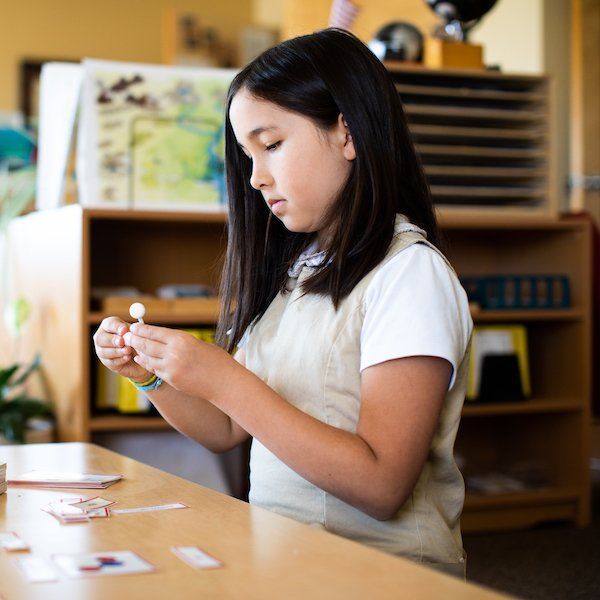
Unlock Your Child’s Potential

A Montessori school for children ages 2 to 12 years

Request a Tour

Why Little Flower Montessori School?

We Emphasize More than Just Academics

We focus on curiosity, independence, compassion, collaboration, and critical thinking.

...but the Academics are a Huge Strength

Our curriculum presents skills at the time when children are most ready to learn.

We're a Community

We view our relationship with you as a partnership, working together for the benefit of your child.

We Meet Children Where They Are

We allow each child to move and learn at their own pace. We know that learning is not linear, and that children are not ready to learn specific skills according to an adult-prepared timeline, or in perfect harmony with their peers. Kids who need more support with certain skills get that support, and those who are ready to move ahead are able to find the challenges they crave.

Request a Tour

Welcome to Little Flower Montessori


We invite you to join this special community and give your child the precious gift of a Montessori foundation for life. 


Established in 1976, Little Flower Montessori School is the oldest Association Montessori Internationale (AMI) – Accredited Montessori school in the state of Florida. We serve children between the ages of 20 months and 12 years of age. 


We are committed to a culture that fosters respect and compassion and honors the spirit of childhood. Montessori education is often described as “education for life” because Dr. Montessori’s vision encompassed so much more than basic academic skills. When your child joins our community he or she embarks upon an amazing journey of self-discovery and exploration. We celebrate each child’s individuality and help them discover how they can best contribute to our world and culture.


At Little Flower Montessori School our warm and supportive teachers are more than just educators; they are advocates for each child’s development and champions for their learning. Our timeless Montessori pedagogy reflects the latest research in neuroscience which emphasizes the importance of the first six years of life and the sensitive periods in which to develop particular aspects of the young child’s brain. We see our intentionally prepared classroom community as a place where each student has opportunity to explore his or her individual talents and interests while being exposed to a rich, in-depth and wide-ranging curriculum.

Our Programs

2 through 12 years old
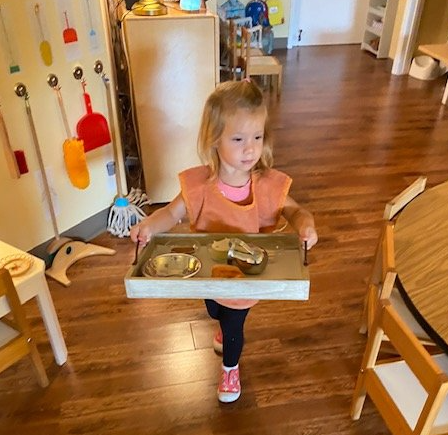
“Best decision we ever made for our family!!! We could not be happier with the teachers as well as the other families who attend LFM.”

- Submitted by a parent

How to Apply

1. Request a Tour or Call us at (954)565-8205 to learn more.

Contact us to learn more about Montessori education.

2. Submit an Application

We look forward to getting to know you.

3. Join the Community!

Meet other new parents and connect with us on social media to get acquainted with our community.

Our Blog
October 5, 2026
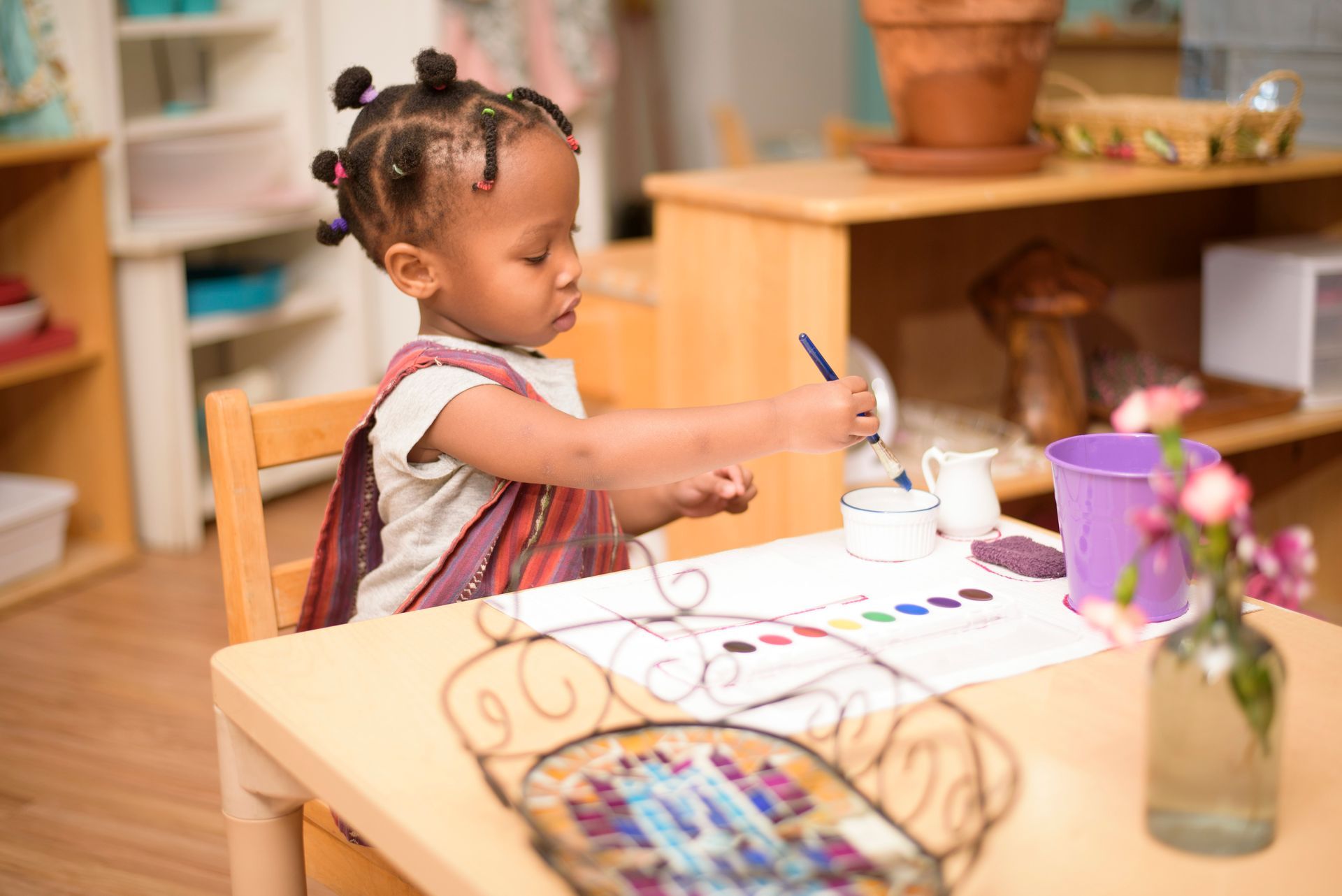
Every parent of a toddler reaches a pivotal moment: looking into local early childhood options and wondering where their child will truly thrive. Between the ages of 18 months and 3 years, young children undergo a dramatic period of cognitive, language, and emotional growth. They are not merely seeking supervision—they are building the very foundation of who they will become. If you are exploring early childhood programs in South Florida, you have likely encountered both traditional daycare facilities and authentic Montessori environments. While both provide care, their philosophy, physical layout, and long-term impact on a child's development differ significantly. Here is a closer look at how Montessori compares to traditional daycare for toddlers, and why the right environment during these formative years makes all the difference. 1. The Environment: Daycare Playroom vs. The "Prepared Environment" Walk into a standard daycare room, and you will typically see bright plastic toys, loud electronic devices, and adult-sized furniture where children rely entirely on teachers to reach items. In an authentic Montessori Young Children’s Community, every single detail is purposefully curated for the child's perspective: Child-Sized Independence: Low, open wooden shelves showcase activities that toddlers can independently choose and return. Real, Functional Materials: Instead of toy kitchens, toddlers use real mini-glass pitchers for pouring water, small wooden knives to slice soft fruits, and real child-sized brooms to clean up spills. Calm, Natural Aesthetics: Natural lighting, plants, and orderly spaces reduce overstimulation, allowing toddlers to develop deep concentration. When toddlers are given an environment scaled to their physical size, frustration drops and genuine self-confidence soars. 2. Daily Structure: Adult-Directed Schedule vs. Self-Directed "Work" In a traditional daycare setting, the entire group follows a rigid, teacher-led schedule: circle time together, craft time together, and snack time together. While structured, this approach often interrupts a child's natural rhythm and individual learning pace. Montessori honours the toddler’s natural inner drive through a self-directed flow: Uninterrupted Work Cycles: Toddlers are given extended blocks of time to choose activities that captivate their interest, repeating them until they achieve mastery. Self-Regulation: A toddler learns to recognize their own body's cues—sitting down for a healthy snack when hungry rather than when a clock dictates it. Freedom Within Boundaries: Children move freely around the room, learning to respect their peers' working spaces and materials. 3. The Role of Adults: Caretakers vs. Trained Montessori Guides In traditional daycare, staff primarily act as caretakers who manage behavior, keep children safe, and direct daily crafts. In a Montessori environment, educators are specially trained Montessori Guides : Observational Expertise: Guides continuously observe each child's sensitive periods—moments when they are naturally primed to acquire language, refine motor skills, or master toilet learning. Individualized Introduction: Materials are introduced to each child individually based on their specific developmental readiness, rather than blanket group instruction. Fostering Autonomy: Instead of doing tasks for the child to save time, Guides patiently teach toddlers how to do tasks themselves—from putting on their own shoes to washing their hands. 4. Key Differences at a Glance
September 11, 2026
Handing your toddler over for their very first day of school is a milestone wrapped in big emotions. You might be wondering if they will cry, if they will feel safe, or how they will manage without you by their side.

If you think your child would thrive in a Montessori environment, give us a call at (954)565-8205 or email us at lfms@littleflowermontessori.org.